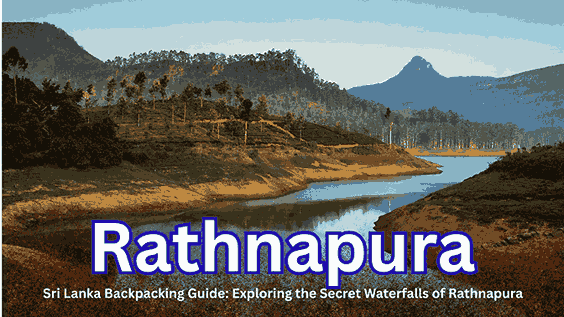
Explore the Knuckles Mountain Range, Sri Lanka’s hidden gem for adventurers. Discover breathtaking hikes, stunning landscapes, and rich biodiversity, perfect for U.S. travelers seeking off-the-beaten-path experiences.
Nestled in central Sri Lanka, the Knuckles Mountain Range is an undiscovered paradise for adventure seekers, offering some of the island’s most breathtaking landscapes. A UNESCO World Heritage site, this pristine mountain range, often overlooked by mainstream tourists, is a haven for nature lovers and hiking enthusiasts alike.
The Knuckles Range gets its name from the distinctive knuckle-shaped peaks that rise dramatically from the lush greenery of the surrounding lowlands. This rugged, untouched wilderness spans over 21,000 hectares and is home to a remarkable variety of flora and fauna, making it a haven for biodiversity. From mist-covered mountains to cascading waterfalls, the Knuckles Range offers a diverse and challenging terrain perfect for those looking to explore Sri Lanka beyond its beaches and temples.
For U.S. travelers in search of an adventure that combines beauty, serenity, and a touch of the unknown, the Knuckles Mountain Range is a hidden gem waiting to be discovered. Whether you’re an experienced hiker or a nature enthusiast, this incredible destination promises an unforgettable experience amidst some of Sri Lanka’s most spectacular natural scenery.
Why the Knuckles Mountain Range is Sri Lanka’s Best Kept Secret
The Knuckles Mountain Range stands as one of Sri Lanka’s most pristine and untouched natural treasures, often overshadowed by the country’s more popular tourist destinations. But it’s precisely this seclusion that makes it Sri Lanka’s best-kept secret for adventure travelers. While most visitors flock to the beaches or bustling cities, the Knuckles Range offers a rare opportunity to experience the raw beauty of Sri Lanka in its most untouched form.
Off-the-Beaten-Path Experience
Unlike the well-trodden tourist trails, the Knuckles Range remains relatively unexplored, allowing you to hike through dense forests, climb rugged peaks, and wander past waterfalls without the crowds. For U.S. travelers looking to escape mass tourism, this remote wilderness is the perfect spot to reconnect with nature and embark on a truly unique adventure.
Breathtaking Scenery and Diversity
The range is known for its dramatic landscapes, from the mist-covered peaks to sprawling tea plantations. It offers some of the most stunning vistas in Sri Lanka, with panoramic views that stretch for miles. Beyond the incredible scenery, the Knuckles Range is also home to a diverse range of flora and fauna, including endemic species like the Sri Lanka leopard and various bird species, making it a dream for nature enthusiasts and wildlife photographers.
Cultural and Historical Significance
The area is steeped in history, with ancient villages nestled in the hills that offer insight into rural Sri Lankan life. Traditional farming methods, unique customs, and the rich cultural heritage of the region further add to the appeal of this lesser-known treasure.
Ideal for Adventurers
The Knuckles Range is a paradise for adventurers, offering hiking trails that vary in difficulty. Whether you’re an experienced mountaineer or a first-time hiker, there’s a trail for everyone, from the challenging Mini World’s End to more relaxed routes like the Dumbara Trail. With fewer tourists, these trails provide a peaceful and rewarding escape into Sri Lanka’s wild heart.
For U.S. travelers seeking something truly unique, the Knuckles Mountain Range offers an unforgettable off-the-beaten-path experience, combining stunning natural beauty, diverse wildlife, and a peaceful atmosphere that’s hard to find elsewhere on the island.
Top Hiking Trails in the Knuckles Range
The Knuckles Mountain Range in Sri Lanka offers a diverse array of hiking trails that cater to various skill levels, each providing unique experiences amidst breathtaking landscapes. Here’s an overview of some notable trails:
1. Duwili Ella via Manigala
- Duration: 2 days
- Distance: Approximately 32 km (20 miles)
- Difficulty: Challenging
- Highlights: This trek leads to the stunning Duwili Ella waterfall, passing through dense forests and offering panoramic views from the Manigala summit.
2. Mini World’s End (Pitawala Pathana)
- Duration: Half-day hike
- Distance: Around 1.5 km (1 mile)
- Difficulty: Easy to moderate
- Highlights: A short hike to a cliff edge offering dramatic views, resembling a miniature version of Horton Plains’ World’s End.
3. Manigala Summit
- Duration: 1 day
- Distance: Approximately 6 km (3.7 miles)
- Difficulty: Moderate to high
- Highlights: A distinctive flat-topped mountain providing panoramic views of the surrounding valleys and peaks.
4. Lakegala Hike & Meemure Tour
- Duration: 2 days
- Distance: Approximately 6 km (3.7 miles)
- Difficulty: Challenging
- Highlights: Ascend Lakegala Peak for stunning vistas and explore the remote village of Meemure, experiencing traditional rural life.
5. Corbet’s Gap Loop
- Duration: Variable (typically 1 day)
- Distance: Varies
- Difficulty: Moderate
- Highlights: A loop trail that traverses tea estates and cloud forests, offering diverse ecosystems and rich biodiversity.
Each of these trails offers a unique perspective of the Knuckles Mountain Range, from challenging ascents to serene forest walks. Whether you’re seeking adventure or tranquility, there’s a trail suited to your preferences.
Flora and Fauna of the Knuckles Range
The Knuckles Mountain Range is a biodiversity hotspot, home to a wide variety of unique and endemic species of plants and animals. Its diverse ecosystems, ranging from tropical rainforests to alpine grasslands, provide a perfect habitat for both flora and fauna. For nature enthusiasts, the Knuckles Range offers a rare opportunity to witness Sri Lanka’s natural beauty in its purest form.
Flora (Plant Life)
The flora of the Knuckles Range is incredibly varied, with over 1,500 species of plants recorded in the area. The region is particularly rich in endemic species—plants that are found nowhere else in the world.
- Cloud Forests: The higher elevations of the range are covered by cloud forests, home to mosses, ferns, and a variety of orchids. These forests are frequently shrouded in mist, creating a mystical and vibrant environment.
- Tropical Rainforests: The lower elevations feature dense rainforests with towering trees such as the Maha Kalu (a type of ebony) and Calophyllum species. The area is rich in medicinal plants, some of which have been used in traditional Sri Lankan herbal medicine.
- Alpine Grasslands: As you ascend higher, the landscape transitions to alpine grasslands. These open fields are dotted with wildflowers and shrubs, which attract various bird species and butterflies.
Fauna (Animal Life)
The Knuckles Range is teeming with wildlife, making it an ideal location for animal enthusiasts and wildlife photographers. Its remote and protected status has allowed many species to thrive undisturbed.
Mammals:
- Sri Lanka Leopard: The elusive Sri Lanka leopard is one of the most iconic species found in the Knuckles Range, often seen in the more remote parts of the forest.
- Sri Lankan Elephant: While rare in the region, the Sri Lankan elephant can sometimes be spotted in the lower areas of the range.
- Wild Boar and Sambar Deer: These animals are common in the lower altitudes and can often be seen foraging in the forests.
Birds:
- The Knuckles Range is a birdwatcher’s paradise, with over 200 species of birds recorded in the area, including several endemic species.
- Notable species include the Sri Lanka Junglefowl, which is the national bird of Sri Lanka, and the Ceylon Hill Myna, a striking bird known for its vivid colors.
Reptiles and Amphibians:
- The range is home to a number of unique reptiles, including tree frogs and geckos.
- Snakes, such as the Sri Lanka pit viper, are also found in the area, though they are generally non-aggressive.
Insects:
- The Knuckles Range is a haven for entomologists, with a wide variety of insects, particularly butterflies. The Blue Tiger and Common Mormon butterflies are among the colorful species found in the region.
The Knuckles Mountain Range is not just a haven for hikers and adventurers but also a sanctuary for nature lovers. Its exceptional biodiversity, coupled with the tranquil environment, makes it a must-visit destination for anyone looking to experience Sri Lanka’s natural heritage in its most untouched form.
Best Time to Hike in the Knuckles Mountain Range
The Knuckles Mountain Range is a year-round destination for hiking, but the best time to visit depends on the weather and your preferred hiking conditions. The region’s climate can vary significantly with elevation, so knowing when to go will help ensure the best experience.
Ideal Hiking Season: November to April
- Dry Season: The best time to hike in the Knuckles Range is during Sri Lanka’s dry season, from November to April. During this period, rainfall is minimal, and the trails are more accessible. The weather is generally cooler, especially at higher elevations, making it more comfortable for trekking.
- Clear Skies: The dry season offers clearer skies, which is perfect for enjoying the stunning panoramic views that the Knuckles Range is famous for. You’ll be able to witness the incredible scenery, from misty mountains to lush valleys, without the hindrance of clouds and rain.
- Lower Humidity: The drier weather results in lower humidity, which makes hiking conditions more pleasant, especially in the forested lower sections of the range.
Shoulder Season: May to October
- Rainy Season: The Knuckles Range experiences the monsoon season from May to October, with the heaviest rainfall typically occurring from May to August. While this may not completely prevent hiking, trails can become muddy, and some routes may be slippery or difficult to navigate.
- Lush Greenery: On the upside, the rainy season transforms the range into a lush paradise, with vibrant green forests and flowing waterfalls, making it a great time for nature photographers and those looking to experience the region’s vibrant flora.
- Cooler Temperatures at Higher Elevations: If you plan to hike at higher altitudes, the temperature remains cooler during this period, and the misty environment can create a mystical, tranquil experience. However, be prepared for the possibility of rain.
General Tips for the Best Hiking Experience:
- Early Starts: Regardless of the season, it’s best to start your hikes early in the day, especially during the dry season, as temperatures can rise quickly as the day progresses.
- Weather Preparation: Bring light layers for higher elevations, where it can get cooler, and pack waterproof gear during the rainy season.
- Avoiding Crowds: For those looking for a quieter experience, visiting in the shoulder season or just before and after the peak months can help avoid the influx of tourists while still enjoying favorable conditions.
In conclusion, while the November to April dry season offers the best conditions for hiking the Knuckles Mountain Range, the area can be visited year-round, depending on your preferences for weather and scenery.
How to Get to the Knuckles Mountain Range
Traveling from the USA to the Knuckles Mountain Range in Sri Lanka involves several key steps, including flying into Sri Lanka and then making your way to the range. Here’s a guide to help you navigate the journey:
1. Flight to Sri Lanka
- International Flights:
The most common way to get to Sri Lanka from the U.S. is by flying into Bandaranaike International Airport (CMB), located in Colombo, the capital of Sri Lanka. Major airlines such as Emirates, Qatar Airways, SriLankan Airlines, and Singapore Airlines offer flights from major U.S. hubs (New York, Los Angeles, Chicago) with one or two layovers. - Flight Duration:
The flight duration typically ranges from 18 to 24 hours, depending on your layover times and connection routes. Flights usually connect through Middle Eastern hubs like Dubai or Doha, or through Southeast Asian cities like Singapore or Bangkok.
2. Travel from Colombo to Kandy
- By Car (Private Transfer or Taxi):
After arriving in Colombo, the easiest way to get to Kandy, which is the nearest major city to the Knuckles Range, is by private car or taxi. The drive typically takes around 3 to 4 hours (approximately 115 km), and you’ll pass through picturesque landscapes, including tea plantations and mountain ranges. - By Train:
Another scenic option is to take the train from Colombo to Kandy, which is considered one of the most beautiful train journeys in the world. The ride takes about 2.5 to 3 hours, and you can enjoy the stunning views of Sri Lanka’s countryside. The Kandy train station is a major hub, and there are regular services available. - By Bus:
You can also take a local bus from Colombo to Kandy. The bus journey takes around 3 to 4 hours, but it might be less comfortable than the private car or train options.
3. Kandy to Knuckles Mountain Range
- Private Vehicle or Taxi:
Once you’re in Kandy, it’s about 30-40 km to the Knuckles Mountain Range. You can hire a private vehicle or taxi to take you directly to the mountain range. The drive from Kandy to the starting points of the hiking trails typically takes around 1.5 to 2 hours, depending on your final destination within the range (such as Meemure or Pitawala Pathana). - Public Transport:
For a more budget-friendly option, you can take a local bus from Kandy to Aranayaka or Hewaheta, which are closer to the Knuckles range. From there, you may need to hire a tuk-tuk or taxi to reach the hiking trailheads.
4. Local Travel Tips
- Travel Agencies and Tours:
If you prefer a more organized experience, many travel agencies in Kandy and Colombo offer guided tours and transportation to the Knuckles Range. These tours often include hikes and guided explorations of the area, making it easier for you to enjoy the sights without worrying about logistics. - Accommodation:
Kandy has various accommodations ranging from guesthouses to hotels. For a more immersive experience, you may opt to stay in eco-lodges or local homestays near the Knuckles Range. Booking ahead is advised, especially during peak tourist seasons.
5. Additional Tips
- Visa Requirements:
U.S. travelers will need a tourist visa to visit Sri Lanka. You can apply for an ETA (Electronic Travel Authorization) online before departure or obtain a visa upon arrival. - Currency and Payments:
The local currency is Sri Lankan Rupees (LKR), and while major hotels and businesses may accept credit cards, it’s advisable to carry cash for small purchases and rural areas. ATMs are available in Kandy. - Health Precautions:
Make sure to get any necessary vaccinations before your trip. It’s also a good idea to carry insect repellent as the Knuckles Range has areas with dense forests where insects, including mosquitoes, may be present.
By following these steps, you’ll be well on your way to experiencing the stunning landscapes and serene beauty of the Knuckles Mountain Range in Sri Lanka, a perfect destination for U.S. travelers seeking adventure, nature, and tranquility.
What to Pack for Your Knuckles Adventure
Packing for a hiking trip to the Knuckles Mountain Range in Sri Lanka requires careful consideration of the region’s diverse terrain and weather conditions. The Knuckles Range is known for its misty peaks, lush forests, and variable weather, so it’s important to come prepared. Here’s a comprehensive list of essentials to ensure a comfortable and safe adventure:
1. Clothing
- Breathable Hiking Clothes:
The weather in the Knuckles Range can vary depending on altitude, so pack light, moisture-wicking clothes to stay cool during the hike. Long sleeves and pants will also protect you from bugs and thorns in the forests. - Waterproof Jacket:
The Knuckles Range experiences frequent rain, even in the dry season, so packing a lightweight, breathable waterproof jacket is essential to stay dry while hiking. - Fleece or Insulating Layer:
The higher elevations can get chilly, especially in the early mornings and evenings. A fleece jacket or lightweight down jacket will keep you warm when the temperature drops. - Comfortable Hiking Boots:
A sturdy pair of waterproof hiking boots with good ankle support is crucial for trekking on uneven terrain. The trails can be muddy and slippery, so waterproofing is key. - Hat and Sunglasses:
Protect yourself from the sun with a wide-brimmed hat and sunglasses with UV protection. Even though the area can be misty, it can also get quite sunny at lower elevations. - Extra Socks and Underwear:
The trails can be wet, so bring a few pairs of moisture-wicking socks to keep your feet dry and comfortable during the hike.
2. Gear and Accessories
- Backpack:
A light, comfortable daypack with adequate capacity (around 20-30 liters) is ideal for carrying your essentials while keeping your hands free for the hike. Look for one with padded straps and a hydration reservoir if possible. - Hydration System:
Bring a water bottle or hydration pack to stay hydrated. You’ll need to drink plenty of water, especially when hiking on sunny days. Some trails have streams where you can refill, but carrying enough water is essential. - Trekking Poles:
If you’re tackling the steeper trails, trekking poles can help reduce strain on your knees and provide extra stability, especially on uneven or slippery terrain. - Headlamp or Flashlight:
For early morning or evening hikes, a headlamp or flashlight is essential, as trails can sometimes be poorly lit.
3. Personal Items
- Sunscreen:
Protect your skin from sunburn by using high-SPF sunscreen. Apply it liberally to exposed skin, especially during the hotter parts of the day. - Insect Repellent:
The Knuckles Range has dense forests that are home to mosquitoes and other insects. Insect repellent with DEET or natural alternatives will help protect you from bites. - First Aid Kit:
Pack a small first aid kit containing essential items such as adhesive bandages, antiseptic wipes, pain relief tablets, blister pads, and any personal medications you might need. - Snacks and Energy Bars:
Bring some snacks like energy bars, nuts, or trail mix to keep your energy levels up during long hikes. Lightweight and easy-to-carry snacks are ideal for refueling on the go.
4. Technology
- Camera or Smartphone:
The views in the Knuckles Range are stunning, so bring a camera or smartphone to capture the beauty of the landscape. Make sure to have a portable charger to keep your devices powered throughout the day. - Power Bank:
Since electrical outlets may be scarce in remote areas, carrying a portable power bank will allow you to charge your devices while on the go.
5. Miscellaneous
- Travel Insurance:
It’s always a good idea to have travel insurance that covers hiking and outdoor activities. Ensure you have coverage for any medical emergencies or trip cancellations. - Binoculars (Optional):
For birdwatchers and nature lovers, binoculars will allow you to get a closer look at the incredible birdlife and wildlife in the region. - Map or Guidebook:
Having a map or guidebook of the Knuckles Range can help you navigate the trails. Some trails can be hard to follow, so it’s wise to have a backup.
6. Important Documents
- Passport:
As a U.S. traveler, you’ll need your passport to enter Sri Lanka. Keep a copy in a separate location in case it gets lost. - Sri Lankan Visa (ETA):
Ensure you have your Electronic Travel Authorization (ETA) or visa for entry into Sri Lanka. This can be obtained online before your trip. - Local Currency:
While some places may accept credit cards, it’s wise to carry Sri Lankan Rupees (LKR) for smaller purchases, especially in remote areas where ATMs may not be available.
Final Thoughts
Packing for your adventure in the Knuckles Mountain Range requires a mix of practicality and preparation for the region’s diverse weather conditions. By ensuring you have the right gear and essentials, you’ll be able to enjoy the breathtaking scenery and diverse wildlife of Sri Lanka’s best-kept secret with ease and comfort.
Estimated Travel Costs for U.S. Tourists Visiting the Knuckles Mountain Range
Embarking on an adventure to Sri Lanka’s Knuckles Mountain Range offers a unique experience, but it’s essential to plan your budget accordingly. Below is a breakdown of estimated costs for U.S. travelers, covering flights, visas, local transportation, and trekking expenses.
1. International Flights (USA to Sri Lanka)
- Round-trip airfare: Approximately $800–$1,200 USD, depending on the departure city, airline, and booking time.
- Flight duration: Typically 18–24 hours, with one or two layovers.
2. Visa Requirements
- Electronic Travel Authorization (ETA): As of October 15, 2025, U.S. citizens must obtain an ETA before traveling.
- Tourist visa (30 days): $20 USD if applied online.
- On-arrival visa: $25 USD, but it’s advisable to apply online to avoid potential delays. ETA Sri Lanka
3. Domestic Transportation
- Colombo to Kandy (via train or private vehicle):
- Train: Approximately $5–$10 USD.
- Private vehicle: Around $50–$80 USD.
- Kandy to Knuckles Mountain Range:
- Private vehicle or taxi: Approximately $30–$50 USD.
- Public transport: Bus fare is about $0.50–$1 USD; however, additional costs for tuk-tuks or taxis to reach trailheads may apply.
4. Trekking and Entrance Fees
- Knuckles Forest Reserve:
- Entrance fee: Approximately 1,000–2,500 LKR (about $3–$8 USD) per person, depending on the trail. Kate & Mikes Travels
- Guide fee: If required, guides may charge between 3,000–5,000 LKR (approximately $10–$15 USD).
- Organized trekking tours:
- Full-day guided tours: Range from $65–$120 USD per person, including transportation, meals, and guide services. srilankatravelandtourism.com
5. Accommodation
- Budget options:
- Guesthouses or homestays: Approximately $20–$40 USD per night.
- Mid-range hotels:
- Rates: Around $50–$80 USD per night.
- Luxury accommodations:
- Prices: Can range from $100–$200 USD or more per night.
6. Estimated Total Cost for a 7-Day Trip
| Category | Estimated Cost (USD) |
|---|---|
| Flights | $800–$1,200 |
| Visa (ETA) | $20 |
| Domestic Transportation | $100–$150 |
| Trekking & Entrance Fees | $50–$100 |
| Accommodation | $140–$280 |
| Total Estimate | $1,110–$1,750 |
Note: Prices are approximate and can vary based on travel dates, preferences, and availability.
Additional Tips
- Travel Insurance: Highly recommended; costs vary but expect around $50–$100 USD for basic coverage.
- Currency: Carry Sri Lankan Rupees (LKR) for small purchases; major establishments accept credit cards.
- Health Precautions: Consult with a healthcare provider regarding recommended vaccinations and carry necessary medications.
By planning ahead and budgeting accordingly, your adventure to the Knuckles Mountain Range can be both memorable and financially manageable.
Practical Tips for U.S. Travelers Visiting Knuckles
Visiting the Knuckles Mountain Range in Sri Lanka is an adventure that requires careful planning and preparation. To ensure a smooth and enjoyable trip, here are some practical tips for U.S. travelers:
1. Plan Your Travel Dates
- Best Time to Visit: The ideal time to visit the Knuckles Mountain Range is during the dry season from November to April, when weather conditions are more favorable for hiking. This will ensure that the trails are accessible and you can enjoy clear views of the mountain range.
- Weather Variability: The weather can vary significantly, with cooler temperatures at higher elevations and warm weather in the lowlands. Be prepared for sudden changes in weather, even in the dry season, especially at higher altitudes.
2. Getting to the Knuckles Range
- Flying to Sri Lanka: Fly into Bandaranaike International Airport (CMB) in Colombo. From there, take a private car, bus, or train to Kandy, which is the closest city to the Knuckles Range.
- Travel from Kandy to Knuckles: Once in Kandy, hire a private vehicle or take a local bus to reach the starting points of the Knuckles Range. Some remote areas may require tuk-tuks for a more direct route.
3. Visa and Entry Requirements
- Tourist Visa (ETA): U.S. citizens must apply for an Electronic Travel Authorization (ETA) before arriving in Sri Lanka. The application is easy to complete online, and the fee is around $20 USD for a 30-day tourist visa.
- Keep Copies: Always carry copies of your passport and ETA approval. It’s also helpful to have photocopies of important documents in case they are lost or stolen.
4. Health and Safety
- Vaccinations: Check with your doctor for recommended vaccinations before traveling to Sri Lanka, such as those for hepatitis A and B, typhoid, malaria, and tetanus.
- Travel Insurance: It’s strongly recommended to have travel insurance that covers hiking and medical emergencies, especially in remote areas like the Knuckles Range.
- First Aid Kit: Carry a small first aid kit with essentials like band-aids, antiseptic wipes, pain relievers, and blister pads. You might also want to bring anti-diarrheal medication and insect repellent.
5. Local Currency and Payments
- Sri Lankan Rupees (LKR): The local currency is the Sri Lankan Rupee, so make sure to have cash for small purchases, especially in more rural areas like the Knuckles Range.
- Currency Exchange: U.S. dollars are widely accepted in larger cities but not in rural areas. You can exchange USD at the airport, or in Kandy, or withdraw cash from an ATM in the area.
- Credit Cards: While some hotels and restaurants in Kandy and Colombo may accept credit cards, most places in the Knuckles Range will only accept cash.
6. Packing Essentials
- Appropriate Clothing: Pack light, moisture-wicking clothes for hiking, sturdy waterproof boots, and light layers for higher altitudes. Don’t forget a hat, sunglasses, and sunscreen for protection against the sun.
- Rain Gear: Always carry a light waterproof jacket and rain cover for your backpack, as weather in the mountains can change suddenly.
- Hydration: Bring a water bottle or hydration pack to stay hydrated, as you will need to drink plenty of water while hiking.
7. Respect Local Culture and Environment
- Respect Religious Sites: The Knuckles Range is home to several temples and sacred sites, so be sure to dress modestly, remove your shoes when entering temples, and be respectful of local customs.
- Environmental Responsibility: The area is part of a protected nature reserve, so be sure to leave no trace and dispose of trash properly. Avoid disturbing wildlife and be mindful of local ecosystems.
- Local Etiquette: Sri Lankans are generally friendly and polite. Always greet locals with a smile and be respectful. It’s customary to greet people with the phrase “Ayubowan” (meaning “may you live long”).
8. Guide and Trekking Information
- Hiring a Local Guide: Hiring a local guide is recommended for a more immersive and informative experience. They can help navigate the sometimes tricky trails and provide insights into the history and ecology of the area. The cost of a guide typically ranges from $10 to $15 USD per day.
- Trekking Routes: The Knuckles Range offers various hiking trails suitable for different fitness levels. Some popular routes include the Mini World’s End for a short, scenic hike, and the Duwili Ella trail for a more challenging experience.
9. Connectivity and Communication
- SIM Cards and Internet: You can easily purchase a local SIM card at the airport or in Kandy for mobile data and local calls. Most major towns and cities have Wi-Fi, but expect limited internet access in the more remote areas of the Knuckles Range.
- Emergency Contact: The local emergency number in Sri Lanka is 119 for police or medical assistance.
10. Timing and Duration of Your Visit
- How Long to Stay: A typical visit to the Knuckles Mountain Range lasts between 2 to 4 days, depending on the number of hikes you want to do and how much time you want to spend in the area.
- Starting Early: Start your hikes early in the day to avoid midday heat and to take advantage of the cooler temperatures in the morning, especially at higher elevations.
By following these practical tips, you’ll be well-prepared for your adventure in the Knuckles Mountain Range, ensuring a safe and enjoyable experience while immersing yourself in one of Sri Lanka’s most breathtaking and tranquil locations.
Conclusion
The Knuckles Mountain Range is a hidden gem in Sri Lanka, offering adventurers an unforgettable experience amidst some of the island’s most stunning natural landscapes. Whether you’re an experienced hiker, a nature enthusiast, or someone looking for a peaceful escape, the Knuckles Range has something for everyone. From challenging hikes and breathtaking views to unique wildlife and lush forests, the range truly encapsulates the beauty of Sri Lanka in its most untouched form.
For U.S. travelers, the Knuckles Range provides the perfect opportunity to step off the beaten path and explore a side of Sri Lanka that many tourists overlook. With its rich biodiversity, remote charm, and tranquil atmosphere, it’s a destination that promises to leave a lasting impression.
By planning ahead, respecting local customs, and being prepared for the unique challenges the range presents, you can make the most of your adventure in this extraordinary part of Sri Lanka. So, pack your gear, book your trip, and get ready to discover one of Sri Lanka’s best-kept secrets. The Knuckles Mountain Range awaits!